
 Share on Facebook
 Share on Instagram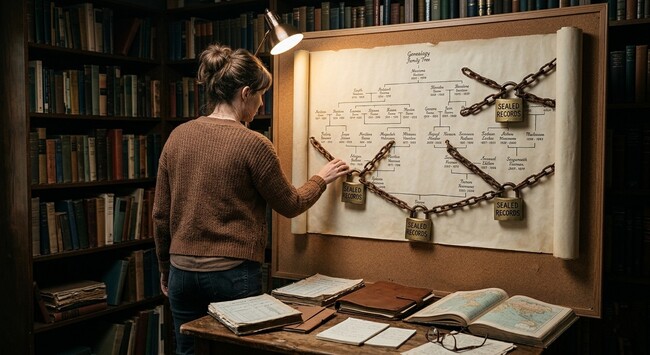
 1855
1855When you begin the search for your biological family, the first instinct for many is to order a DNA kit from a major genealogy site. While these platforms are incredible tools for mapping out an 18th-century lineage, the adoption triad, birth parents, adoptees, and adoptive families, often finds that these "general" tools fall short of the emotional and practical nuances required for a successful reunion.
At Adopted.com, we’ve spent years refining a platform built specifically for the unique challenges of adoption. Here is why a specialized adoption registry is the essential "missing link" in your search strategy.
Intentionality: The Difference Between a Match and a Connection
The most significant hurdle on general genealogy platforms is the variance of intent. On sites like 23andMe, Ancestry or MyHeritage, users are often casual hobbyists. They may be interested in whether they are 10% Scandinavian or 5% African, but they aren't necessarily prepared for a message from a biological child or sibling they never knew existed.
-
The Genealogy Risk: Reaching out via a genealogy site can sometimes lead to "genealogical bewilderment" or even rejection if the recipient is shocked by the discovery.
-
The Adopted.com Advantage: Every member of our community shares a singular purpose. When our algorithm flags a match, you aren't just finding a DNA data point; you are finding someone who has proactively registered because they want to be found. This shared intentionality significantly increases the success rate of meaningful, long-term reunions. For a deeper dive into this comparison, see our post on Searching For Your Birth Family: Adopted.com vs Genealogy Sites.
Navigating the Paper Trail vs. The Private Registry
For decades, the closed adoption system created a legal labyrinth of sealed birth certificates and redacted agency files. Genealogy sites rely heavily on public records—census data, marriage certificates, and death notices—which are often of little help when an adoption record is under a court-ordered seal.
-
Bypassing the Brick Wall: Adopted.com functions as a voluntary mutual-consent registry. By allowing individuals to share information directly with one another in a secure environment, we create a bridge over the legal roadblocks of sealed records.
-
The Matching Algorithm: We don't just wait for a DNA hit. Our proprietary matching system utilizes a 10-question questionnaire based on facts you already know. To understand the mechanics of this system, read What is an Adoption Reunion Registry?
DNA Portability: Breaking Down the Silos
One of the biggest frustrations in the search community is the Silo Effect. If you test with one company, but your birth relative tests with another, you might never cross paths. Most genealogy sites are closed loops designed to keep you within their ecosystem.
-
A Centralized Hub: Adopted.com serves as a universal meeting ground. We allow users to import DNA data from major testing services like Ancestry, 23andMe, and MyHeritage.
-
A Multi-Faceted Search: By combining DNA data with biographical facts, we offer a multi-dimensional search. While a genealogy site might show you a second cousin, Adopted.com helps you determine if that cousin is the key to identifying a specific birth parent. Learn more about How DNA Helps an Adoption Reunion Search.
Emotional Safety and Ethical Reunion
A reunion is more than just a data match; it’s a life-altering emotional event. General genealogy sites aren't built to facilitate the delicate first steps of an adoption reunion. Their messaging systems are often clunky and lack the privacy controls necessary for sensitive conversations.
-
Privacy-First Communication: We provide a secure, internal messaging system that allows you to communicate without revealing your personal email, phone number, or even your name until you feel safe and ready.
-
Understanding the Registry: Unlike general sites, our resources are tailored to the psychological journey of adoption. Whether you are searching for a birth parent or a child given up for adoption, we provide the framework for a respectful connection. For more details on the legal and practical aspects, check out What is a Mutual Consent Adoption Registry?
Conclusion: Use the Right Tool for the Job
If you want to know if your ancestors were Vikings, go to a genealogy site. But if you want to find your mother, father, son, or daughter, you need a platform that speaks the language of adoption. For those specifically looking for a child, we recommend our specialized guide on Searching for a Child Given Up for Adoption.
At Adopted.com, we don't just provide data; we provide the opportunity for a life-changing Hello. Join the world's largest adoption reunion registry today and take the first step toward the answers you deserve.


